

A secure, well-built fence protects property value, privacy, and safety for homeowners and businesses across North Massachusetts & Southern New Hampshire. This article explains local fence installation and repair options, compares materials and styles, and outlines what to expect when hiring professional fencing contractors for residential or commercial projects. Many property owners face decisions about durability, maintenance, and permitting, so the guidance below focuses on practical trade-offs between wood, vinyl, metal, and chain link systems and on realistic repair workflows for storm or wear-related damage. You will learn which fence types fit common Peabody neighborhoods, how repairs are triaged and scheduled, why local contractors offer advantages for climate and code, and how cost factors and permits typically affect project budgets. Read on for comparison tables, actionable checklists, and clear steps to request estimates or schedule service while keeping material and security priorities front and center.
What Are the Top Fence Installation Options in Middleton and North Massachusetts & Southern New Hampshire?
Top fence installation options in Danvers and the surrounding area include wood, vinyl, metal (aluminum or ornamental iron/steel), and chain link, each selected for specific durability, maintenance, and aesthetic priorities. These fencing materials perform differently under local climate pressures such as sun, wind, and occasional severe storms; selection depends on whether the priority is privacy, low maintenance, decorative curb appeal, or security. The table below summarizes material characteristics to help you match a fence type to your property goals and maintenance tolerance. Understanding these differences helps you weigh upfront cost against long-term value and lifespan before moving to style and installation choices.
Different materials serve distinct use-cases for North Andover properties:
| Material | Durability | Maintenance | Typical Use-Case |
| Wood (cedar/pine) | Moderate; susceptible to rot and insect damage | Requires staining/sealing every 2–3 years | Privacy, classic residential look |
| Vinyl | High; resists rot and insect damage | Low; occasional washing | Low-maintenance privacy and picket styles |
| Metal (aluminum/ornamental iron or steel) | High, strong, and long-lasting | Low-medium; rust protection needed for steel | Security, decorative front-yard fencing |
| Chain Link | High, durable, and economical | Low; can be coated for longevity | Commercial, sports, and pet containment |
This comparison clarifies how material choice links to long-term maintenance and visual impact, and it leads to practical style options for local wood fences.
Which Wood Fence Styles Are Best for Andover Homes?
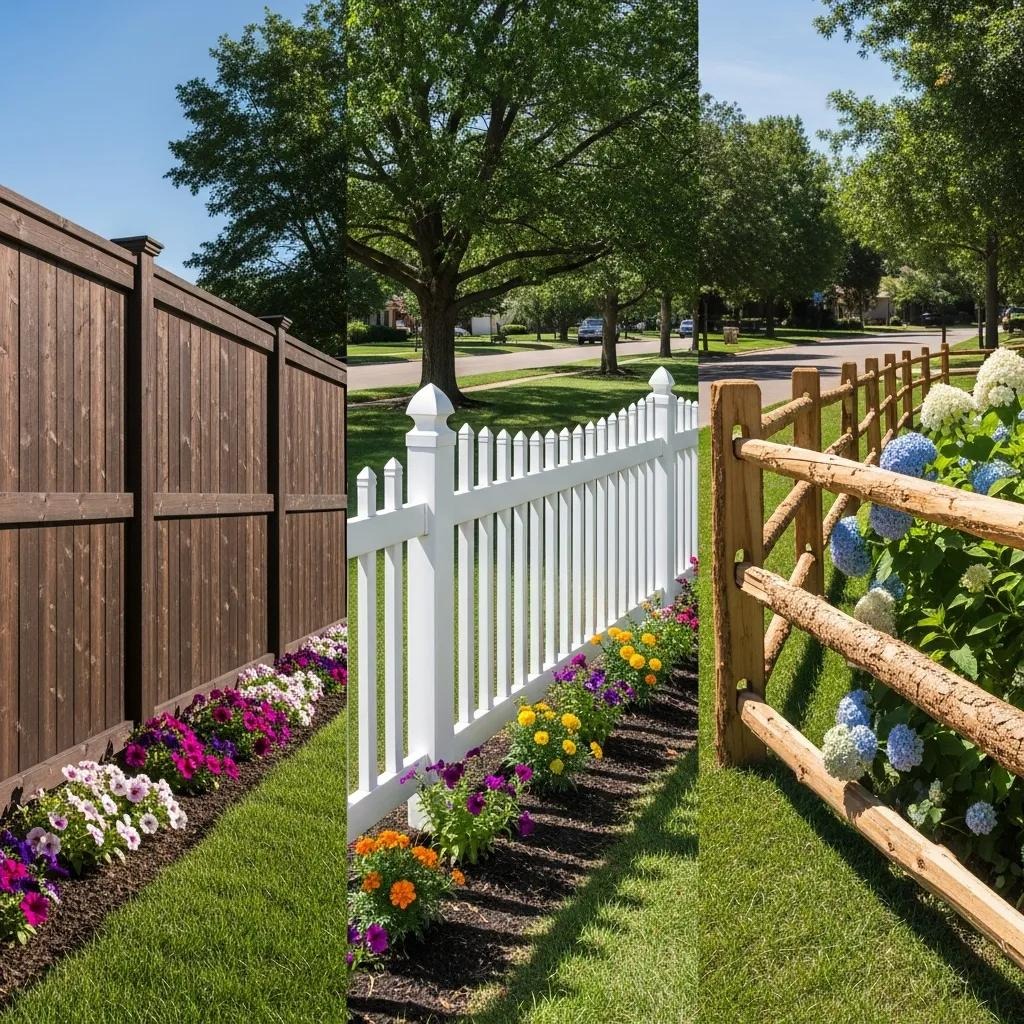
Wood fences remain popular for North Reading homes because they offer warmth, customizability, and strong privacy when needed. Popular wood styles include privacy panels, picket fences, and split rail configurations; each aligns with neighborhood character and yard usage, with privacy panels providing maximum screening and picket styles offering traditional curb appeal. Cedar and pine are common choices; cedar naturally resists decay and insects better than pine, which is more budget-friendly but needs diligent sealing. Regular maintenance—staining, sealing, and checking posts and rails—extends service life, while proper post footings protect against ground moisture and shifting. Considering these maintenance requirements will help homeowners choose a style that balances aesthetics with realistic upkeep expectations.
What Are the Benefits of Vinyl and Metal Fences in North Massachusetts & Southern New Hampshire?
Vinyl and metal fences provide distinct low-maintenance and security benefits suitable for the region’s weather and property needs. Vinyl fences are prized for resisting rot, insects, and moisture; they retain color and structural integrity with minimal upkeep, making them ideal for homeowners seeking privacy without frequent refinishing. Metal options, including aluminum and ornamental iron or steel, deliver superior strength and longevity; aluminum resists corrosion and provides a lightweight security option, while ornamental iron or steel offers a high-end, decorative security presence. Both material types support gate systems and compatible hardware, and they react differently to wind loads and thermal expansion—factors installers account for during post spacing and anchoring. Choosing between them depends on desired lifespan, maintenance tolerance, and whether decorative appearance or maximum perimeter security is the primary goal.
How Can You Get Reliable Fence Repair Services in Reading?
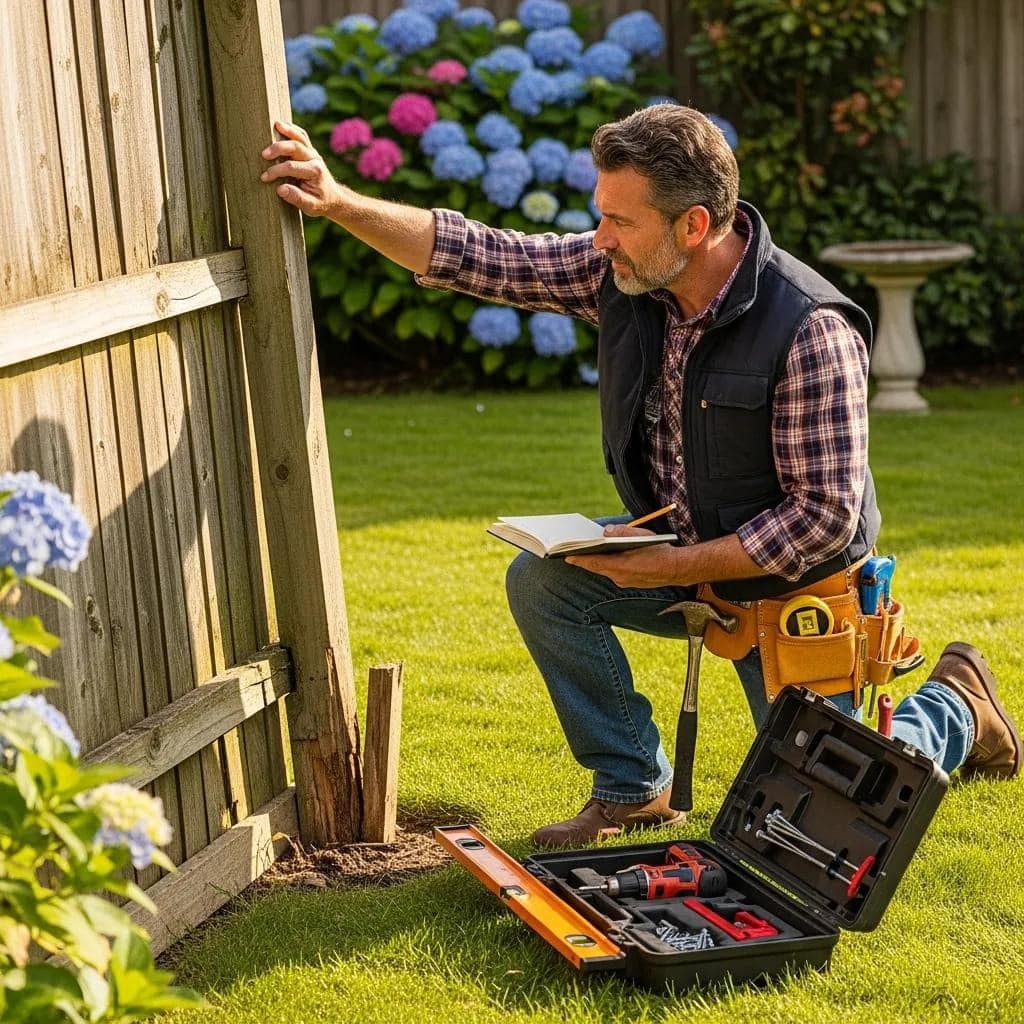
Finding reliable fence repair services starts with an accurate problem assessment, followed by an informed contractor inspection and a clear repair plan that outlines the timeline and costs. Contractors typically begin with an on-site inspection to identify root causes—rot, loose posts, hardware failure, or storm damage—and then propose targeted fixes, such as post replacement, panel rebuilding, or gate realignment. The table below lists common repair scenarios, causes, typical repair actions, and a representative timeframe so homeowners know what to expect when requesting service. Understanding typical repairs helps you prioritize emergency stabilization versus scheduled restoration work, and it prepares you to ask the right questions during an estimate.
| Problem | Cause | Typical Repair Action | Typical Timeframe |
| Leaning or loose post | Rot, frost heave, or poor footings | Replace post(s) with concrete footing | 2–6 hours per post |
| Broken panels or pickets | Impact or rot | Replace damaged panels/pickets | 1–4 hours per panel |
| Gate misalignment | Settling or hinge wear | Re-hang or adjust hardware | 1–3 hours |
| Hardware failure | Corrosion or wear | Replace latches, hinges, or closers | 30–90 minutes |
Knowing these common fixes streamlines communication with contractors and leads to a short checklist you can use to hire experienced repair professionals.
- Inspect & Document: Photograph damage and note any immediate safety hazards before contacting professionals.
- Request an On-Site Estimate: Ask for a written scope that details materials, labor, and timeline.
- Confirm Credentials: Verify insurance, warranty policies, and local experience relevant to Swampscott conditions.
These steps reduce risk and ensure the repair timeline and expectations are clear before work begins. For homeowners ready to schedule, many local providers offer on-site estimates or virtual consultations to prioritize urgent repairs; when you request service, ask for a clear scope and expected stabilization steps for safety-critical damage.
Why Choose Local Fencing Contractors in North Massachusetts & Southern New Hampshire?
Local fencing contractors offer targeted expertise in North Massachusetts & Southern New Hampshire that often results in better-performing installations and faster response for repairs. Local teams understand regional soil conditions, wind patterns, and common permitting nuances, enabling them to recommend post depths, footing mixes, and material treatments that increase longevity. Working with local providers also improves access to regional supply chains for materials optimized for the climate, and it typically accelerates scheduling for follow-ups or warranty concerns. These local advantages translate into more predictable project outcomes, which is why homeowners and businesses often prefer contractors who are familiar with Hamilton-area permits and climate-driven installation best practices.
- Code & Permit Familiarity: Local contractors know which fences commonly require permits and how to coordinate with municipal offices.
- Responsive Service: Proximity enables quicker emergency repairs and seasonal maintenance visits.
- Material Knowledge: Local suppliers and crews are experienced with materials that hold up to regional conditions.
Choosing a local contractor reduces logistical friction and supports clearer warranty and follow-up processes. If you prefer a provider with those local strengths, consider requesting a free estimate or scheduling an on-site evaluation; many local teams emphasize expert craftsmanship, premium materials, privacy and security solutions, certified professionals, and flexible financing options for both residential and commercial projects.
What Advantages Do Local Experts Offer for Fence Installation?
Local experts bring several practical advantages during installation that improve long-term fence performance and compliance with local rules. They can perform accurate on-site assessments that account for property lines, drainage patterns, and wind exposure, which informs proper post spacing and bracing. Local crews typically maintain relationships with regional suppliers, enabling timely sourcing of materials like rot-resistant lumber or powder-coated metals suited to the area. After installation, they provide realistic maintenance guidance and quicker warranty responses than out-of-area contractors. These operational advantages translate into lower long-term maintenance costs and fewer service interruptions for property owners.
How Do Local Contractors Ensure Quality and Compliance?
Quality and compliance are maintained through systematic on-site procedures that include site prep, material inspection, proper footing installation, and post-install checklists. Contractors often document site conditions, verify material grades, and set posts to code-specified depths before backfilling with concrete footings to prevent settling. Post-install inspections confirm alignment, hardware operation, and gate clearances, and the crew reviews maintenance recommendations with the owner. Coordinating permit submissions or HOA notifications is typically part of the process, ensuring installations meet local ordinances and neighborhood guidelines. These quality-control steps reduce rework and help installations withstand local weather stressors.
What Should You Know About Fence Installation Costs and Permits in Kingston?
Fence installation costs vary based on material selection, labor rates, site complexity, and permit requirements; understanding these drivers lets property owners create realistic budgets and avoid surprises. Key cost influences are material cost per linear foot, labor intensity for post and footing work, grading or rock removal needs, and any permit or inspection fees required by local authorities. The table below breaks down primary factors and their typical impact on the final price, helping you estimate where to allocate your budget. With this context, you can request personalized quotes that reflect your property’s specific conditions rather than relying on generic per-foot figures.
| Cost Factor | What It Covers | Typical Price Impact |
| Materials | Posts, rails, pickets, panels, hardware | Major driver: varies by material type |
| Labor | Excavation, footing, assembly | Significant; varies with complexity |
| Site Prep | Grading, rock removal, and drainage work | Moderate-high for difficult sites |
| Permits & Inspections | Municipal fees, required inspections | Low-medium; depends on local code |
Understanding how these elements interact helps property owners compare bids and identify where savings are possible without sacrificing durability. After reviewing factors, you can request a personalized quote that accounts for your site’s conditions and material preferences.
How Are Fence Installation Costs Calculated in North Massachusetts & Southern New Hampshire?
Contractors calculate fence costs by combining material costs per linear foot, labor hours required for excavation and assembly, and additional site-prep expenses such as rock removal or grading. Material choice dominates per-foot pricing—vinyl and ornamental metal generally cost more upfront than basic wood or chain link—but longevity and lower maintenance can offset higher initial investment. Labor varies with fence complexity, gate installations, slope, and accessibility; difficult access or rockier soil increases excavation time and cost. Requesting itemized estimates helps you see these components clearly so you can compare proposals on an apples-to-apples basis and prioritize where to invest for long-term value.
Do You Need a Permit for Fence Installation in Seabrook?
Permits for fence installation in Brentwood depend on fence height, placement relative to property lines, and whether the fence is adjacent to public right-of-way; many simple backyard fences fall under minimal permitting, while front-yard or high-security installations often require review. Start by checking local building department rules and any HOA regulations that apply to your property; these authorities provide guidance on maximum heights, visibility triangle requirements at driveways, and material restrictions. If a permit is needed, contractors typically submit plans or simple drawings for approval and coordinate inspections. When in doubt, confirm permit requirements before installation to avoid costly adjustments or compliance issues later.
- Permit Checklist: Check Municipal Codes: Verify height and location limits with the city building department. Review HOA Rules: Confirm aesthetic or material restrictions that may apply. Ask Contractor to Submit: Request that estimates include permit handling if required.
These steps reduce the risk of noncompliant work and ensure a smoother installation process. If you want a tailored estimate, many local contractors will produce a site-specific quote that includes permit guidance and a breakdown of the costs described above.